
In the world of software, ensuring proper activation is crucial for both users and developers. This is particularly true with commonly used products such as Microsoft Office 2016. However, many individuals resort to unauthorized methods like kmspico office 2016 due to various reasons, including cost and accessibility. This article explores the differences between legal and illegal software activation methods.
Understanding Software Activation
Software activation is the process of validating that a product has been legitimately purchased. For applications like Office 2016, entering a valid product key confirms this legitimacy. This process helps in mitigating piracy issues, ensuring users are compliant with licensing terms set by the software provider. The importance of software activation extends beyond mere compliance; it plays a vital role in protecting intellectual property and maintaining the integrity of the software.
Activation serves as a deterrent against piracy, helping companies safeguard their financial interests and continue investing in product development. It also ensures that customers receive the benefits associated with legitimate software usage, such as access to updates and technical support.
Legal Activation Methods
Legitimate activation of Microsoft Office 2016 involves purchasing a license from official sources. Users typically receive a product key via email post-purchase, which is then entered during installation. Microsoft also provides enterprise solutions, where organizations use tools like the Key Management Service (KMS) for bulk activations.
The Role of KMS in Activation
KMS allows organizations to activate multiple machines without individual product keys for each installation. By configuring their own KMS server, companies can manage licenses efficiently, especially environments running on kms for windows 10 or kmspico windows 7. The benefits of using KMS include centralized management and reduced administrative overhead, making it an attractive solution for large-scale deployments.
Moreover, KMS activation supports seamless integration with existing IT infrastructure, allowing businesses to maintain compliance without disrupting operations. This method exemplifies how legitimate tools can streamline processes while providing robust security measures.
Illegal Activation: The Temptation of kmspico office 2016
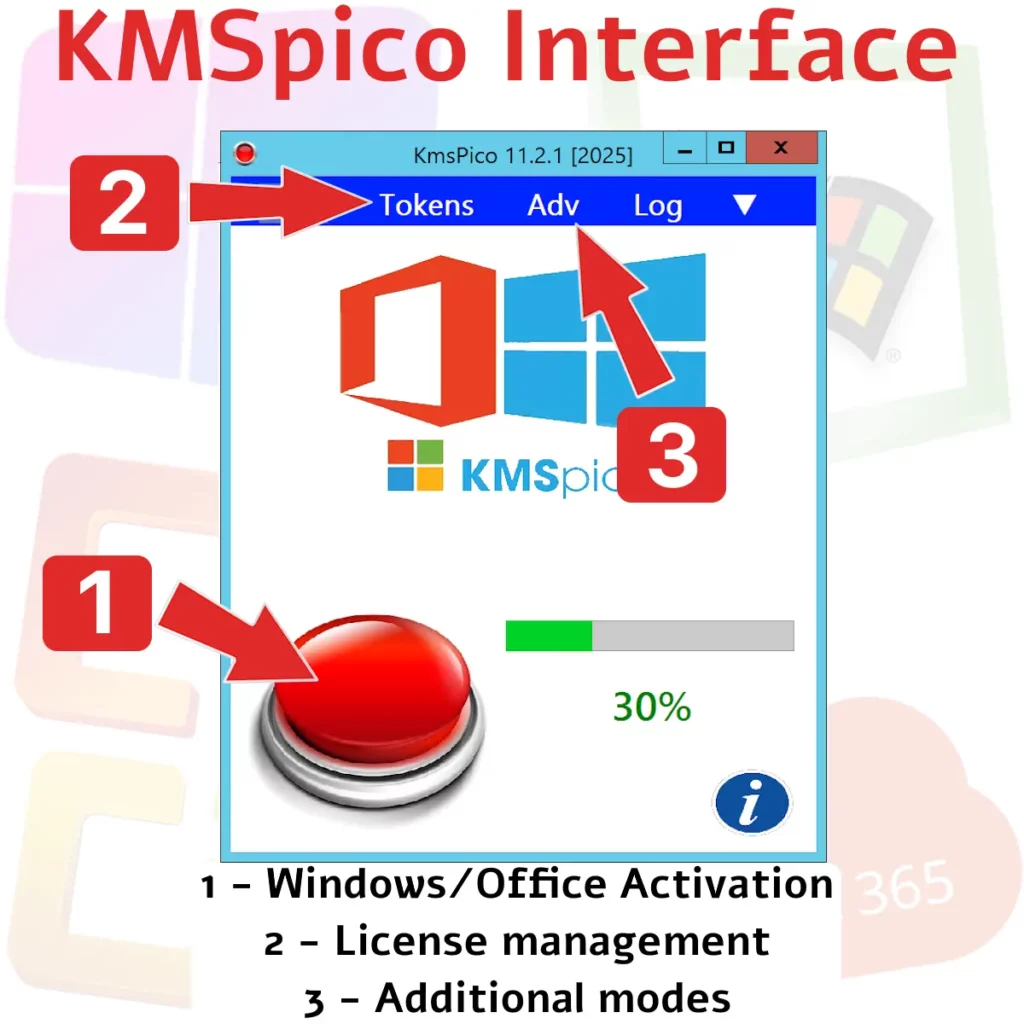
Despite legitimate options, some users turn to tools like kmspico office 2016. This unauthorized activator bypasses the need for a valid license by emulating a KMS server locally on the user’s machine. It promises free access to premium software without purchasing a valid license tool.
How kmspico Works
The technique behind kmspico involves tricking the Office suite into believing it’s being activated through a legitimate KMS server. This method not only violates Microsoft’s terms but also poses significant security risks as it can introduce malware or compromise system integrity. Users often overlook these risks in favor of short-term gains but face long-term consequences that outweigh the initial benefits. For a comprehensive understanding of kmspico office 2016, visit the official website at https://www.kmspico.lc/ for reliable insights.
The allure of using such tools stems from perceived cost savings; however, these savings are often negated by potential threats and vulnerabilities introduced into systems.
KMsPico and Security Concerns
Using kmspico office 2016 exposes systems to potential threats since these activators are usually downloaded from unofficial sources that might be laced with viruses. Moreover, once installed, users lose trust in system stability and future updates could become problematic. In addition to malware risks, unauthorized activations can lead to data loss or corruption, further exacerbating operational challenges faced by individuals or organizations relying on pirated software.
This scenario highlights why adhering to legitimate activation methods is essential not just for legal compliance but also for safeguarding digital assets against cyber threats.
The Risks of Using Unauthorized Activators
Piracy issues extend beyond legal implications; they also entail security vulnerabilities and loss of support from vendors. With unauthorized methods like kmspico office 2016, users may face operational hindrances as manufacturers do not provide technical support for non-genuine installations.
Legal Implications
Many jurisdictions have strict laws against software piracy, and using illegal activators can result in fines or legal action. Companies caught using these tools risk reputational damage alongside financial penalties. Such actions undermine trust between businesses and their clients or partners while impacting overall market perception negatively.
The Cost of Non-Compliance
While initially appealing for budgetary reasons, using unauthorized methods often costs more in the long run due to potential downtime and security breaches. Investing in legitimate licenses ultimately ensures business continuity and peace of mind.
The hidden costs associated with non-compliance include not only financial penalties but also lost productivity resulting from technical issues caused by pirated software implementations.
Maintaining Compliance: Best Practices
To avoid piracy issues and ensure smooth operations, organizations should adhere to best practices when dealing with software licenses. Regular audits can help keep track of license usage while virtualization setups (e.g., VM with 2 vCPU / 4 GB RAM) can test deployments before applying them company-wide.
Leveraging Legitimate Tools
Microsoft provides several tools to assist with compliance. The Deployment Image Servicing and Management (DISM) command-line tool is one such resource that helps in managing Windows installations efficiently. By utilizing these resources effectively within IT environments — whether small businesses or large enterprises — companies can achieve optimal performance levels without compromising security standards through illegal channels like kmspico office 2016 activations.
The Future of Software Licensing
As technology evolves, so do activation mechanisms. Emerging models focus on seamless user experiences while reducing piracy incentives by offering flexible pricing and cloud-based subscriptions over traditional perpetual licenses. These advancements aim at creating more accessible pathways toward obtaining genuine copies legally instead resorting towards risky alternatives available online today under guise names such as “kmspico office 2016.”